
What Does an Artist Liaison Actually Do?
Being an artist liaison is more than just being a friendly face, although that is an important part of the job. We are the bridge between the artists and the promoter, and sometimes the production team.
At some shows we just turn up on the day and work with what we’ve been given, but on most of the shows we do here at Artist Needs we do all the planning and advancing beforehand, so lets start there…
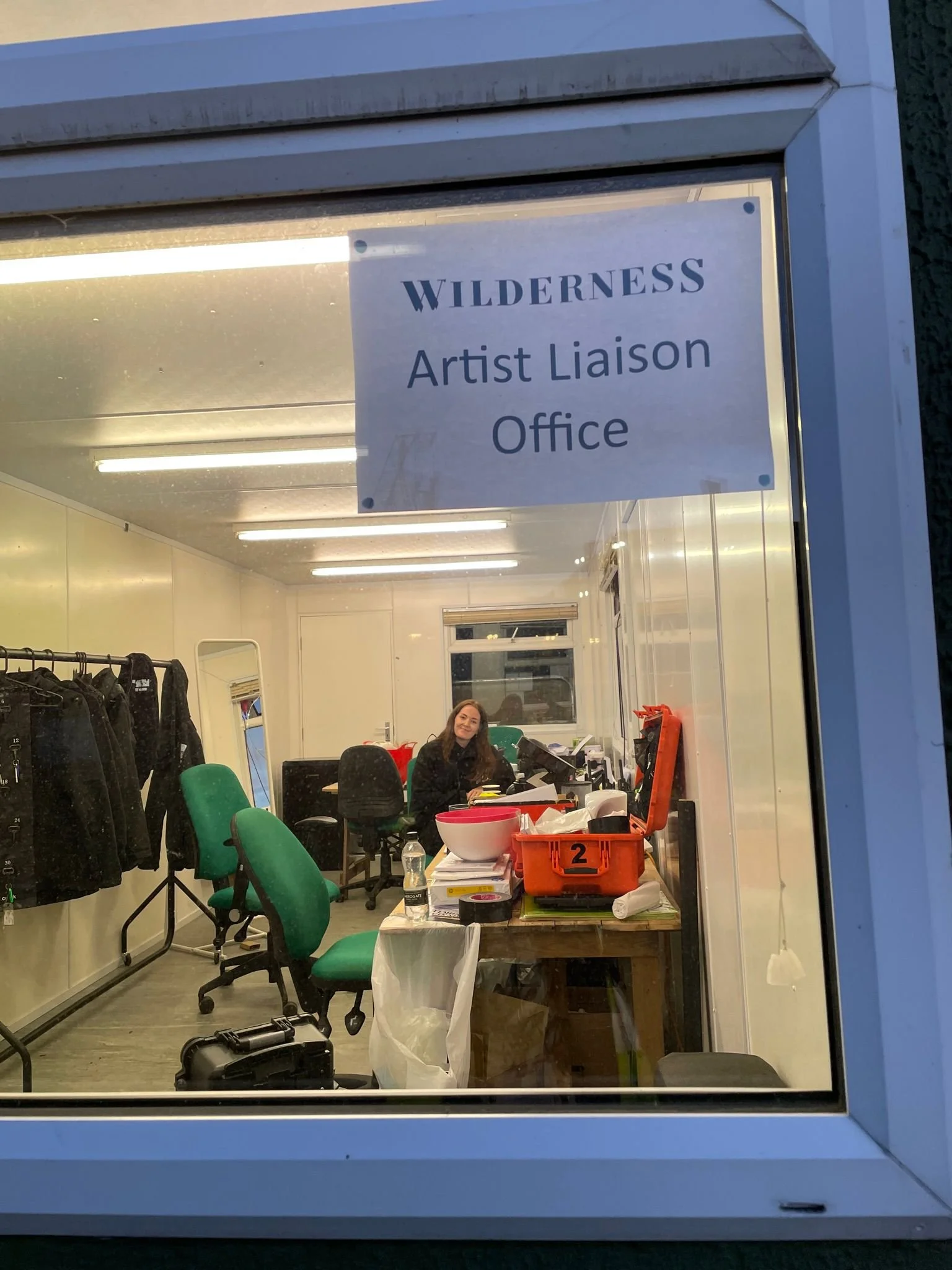
Wilderness Festival, 2023
The Advance
As an Artist Liaison Manager I do the “advance” which is the preparation and planning process that happens before a show, usually starting 6-8 weeks before and often lasting up until the day before. We receive Agent or Tour Manager contacts from the promoter, and then reach out to the relevant person from that artists’ team and start the advance. A form is sent to each artist team that is customised to the show, and asks for details such as the technical and hospitality riders, vehicle details, onsite names and roles for accreditation, food requirements and allergies, and key timings such as A and B party arrival (A party is the artist themselves, B party is the band or crew).
Riders
Once we have the riders the first thing we do is check with production to make sure they have the technical rider too - production also share hospitality riders with us, some artists have separate riders and some have it all in one document so it depends on how their files are shared.
We go through the hospitality rider and pick out the following details:
Number of dressing rooms and the set up, e.g. whether the room is for the principal artist or for the crew, and for how many people
Food and drink items, checking with the artist team that all items are required
Food intolerances and allergies - this is especially important when there are severe allergies that the catering team need informing of
Other general important information - all riders are different, some may contain information such as artist arrival times but others don’t include this as the TM/advancing contact will email us about this
Once we’ve gone through the rider we let the advancing contact know if we’re struggling to source any items (such as American food brands that aren’t available in the UK) and make sure that the dressing room requirements match up with the space we have.
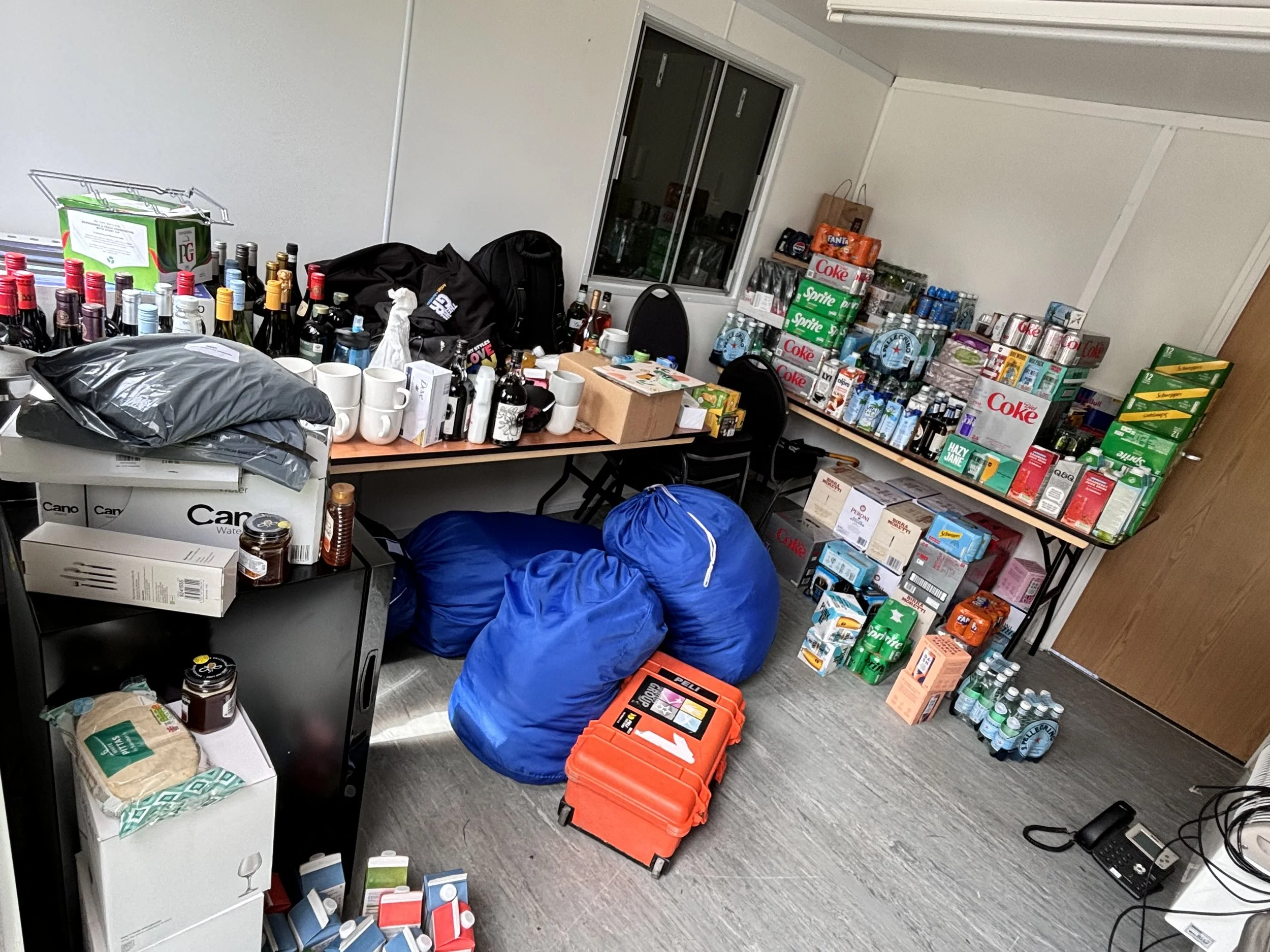
What our office/rider store typically looks like
Ordering Riders
As we’re reading through riders we input the data into an ordering sheet that allows us to clearly see what the item is, how many are required and which dressing room its for - this helps massively when onsite too and we’re setting up dressing rooms.
Ordering the hospitality items like food and drink, and specials like toiletries, glassware and tableware takes a lot of time, and it’s vital that we get it right as having the correct dressing room set up is a huge part of ensuring that artists and their crew have a pleasant experience on site.
Where time permits we place the orders far in advance to make sure that we can source everything, which often includes taking in deliveries before we arrive on site just to make sure we have it - some sites are remote and ordering something on Amazon isn’t always guaranteed to make it there, or be found once we’re on site…
Form Information
Once the form has been filled out by the TM/PM/advancing contact we go through all the information and input it into our own system that we use on the day, where we can clearly see who is arriving, at what time, in what vehicle and what items are on their rider.
Getting Ready to Be On Site
Getting ready for the show takes organisation and time to sit and make sure we have everything we need to make it as smooth as possible for ourselves and the artists. This is generally what we make do before arriving onsite:
Onsite contact numbers and names for artists
List of vehicle details and arrival/departure times where possible
Dressing room rota and map in the office and for all artist liaisons to see
Rider lists - who’s having what and how many
List of accreditation - names and roles
Guestlist - names, how many tickets, whether VIP/backstage or not
Signage printed off, e.g toilets, wifi password, catering times
Being an Artist Liaison On Site
The advance is done by an artist liaison manager such as myself then once we’re onsite we have the manager in the office as the main contact point of all information, and onsite artist liaison reps that look after artists on show days.
We are generally the first people on site and the last to leave on show days. We arrive nice and early before the first artist is due to arrive and have a team briefing to go over who’s looking after which artists/stage and any key information. Each artist liaison is given a list of contacts and set times - this is known as their “pack”. Each AL has a checklist of things to do before their first artist arrives:
Meet the stage manager and find out what time they want the artists on stage for - some artists like to be at stage early, some will leave it as late as possible to go
Walk/drive the route to and from their stage
Find out where accreditation is
Check riders and dressing rooms are ready for artists
Reach out to all artists and introduce themselves, get an estimated time of arrival for each
Then they go and meet their artists!
Every artist is different, some prefer to stay in their dressing rooms and some prefer to be out and about. Being an artist liaison is knowing how to quickly gauge what each artist prefers, but over time you start to work with the same artists again and they become familiar faces so you already know what to expect.
Looking After An Artist Onsite Involves:
Meeting the artist/their team at accreditation - this often involves liaising with buggy drivers to make sure they can be escorted up to the car park and dressing rooms if they’re in cars
Show them to dressing rooms if they have one, and the stage
Make sure they have their rider and food tokens/know where to get food from
Getting them to stage on time and being there to escort them back after their set if they wish
Making sure they get offsite safely
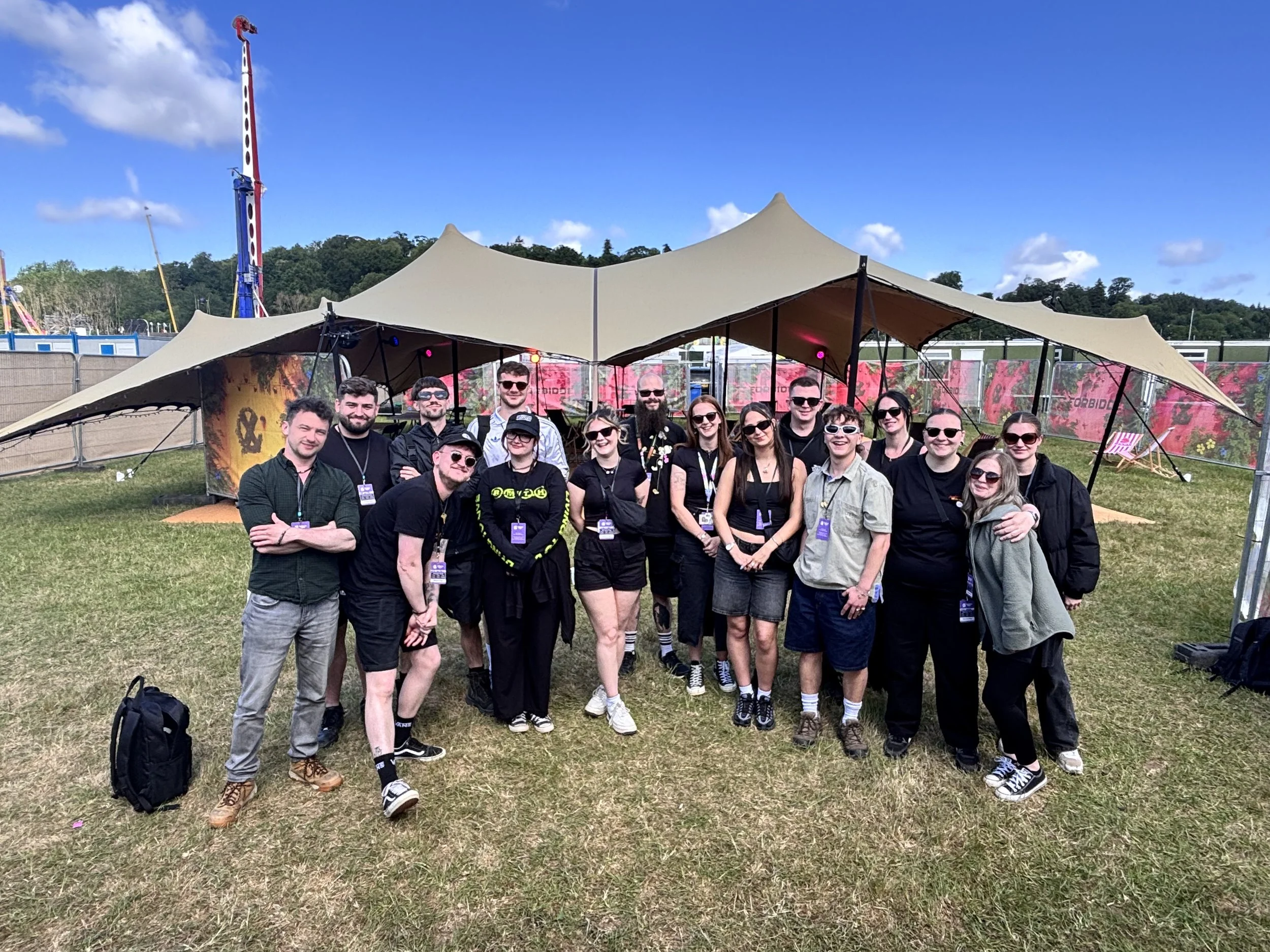
Forbidden Forest 2025 Team
So What’s It Like Being an Artist Liaison?
I’d be lying if I said that being an artist liaison is all that glamorous. The hours are long, British weather usually makes its appearance and has us walking around in swamps-for-fields, and you sometimes face working in difficult situations that can be demoralising and can dampen the rest of your day. However, I truly think that being part of a strong onsite team and being able to have a laugh (or cry) with people you’re working with makes all the difference.
The most gruelling part of the day is often the start when you have to get everything ready before artists arrive, or the day before when all the furniture needs moving around in all the dressing rooms. Then it starts raining.
The most rewarding part of the day for me is when all the artists are safely off site and we all have a chance to sit down and just talk about the day, go through what’s made us laugh the most but also any challenges faced. And it goes without saying that it’s even better when an artist you like is playing and you can sneak off to go and watch them. There’s gotta be some perks to the job!