

Sustainable Aviation
“Tackling the challenge of ensuring a cleaner, quieter, smarter future for our industry” - Sustainable Aviation.
What is Sustainability?
Sustainability was defined as “meeting the needs of the present without compromising the ability of future generations to meet their own needs” by the United Nations in 1987.
Without sustainability Earth’s ecosystems will not be able to function, eventually resulting in a huge loss in animal species, irreversible damage to the atmosphere and total loss of fossil fuels.
What Can We Do?
With sustainability at the forefront of government agendas worldwide, the aviation industry is facing more pressure than ever to adopt greener practices.
Private Aviation faces scrutinisation for its associated environmental impacts, as many view it as an elitist high-emission luxury. As the 2030 Net Zero target approaches, the private aviation sector is making significant investments in greener practices.

Sustainable Aviation Fuel (SAF) is created from feedstocks that are made of existing Carbon, such as used cooking oil, agricultural and forestry waste, animal fats, and non-recyclable household and industrial waste.
Carbon is still emitted when SAF is used to fuel a flight, but this Carbon has already been emitted into the atmosphere before it was repurposed into SAF, so no new Carbon has been added to the atmosphere.
Sustainable Aviation Fuel
SAF is blended with up to 50% traditional kerosene jet fuel, and can be handle through existing airport hydrant systems as its’ chemical properties are nearly identical to traditional jet fuel. No engine or infrastructure modifications are needed for an aircraft to use SAF.
How SAF is Used
Book and claim is a system where the record flow of a product doesn't correlate to the physical flow of a product. In the Aviation industry this allows customers to claim the sustainability benefits of using SAF without flying on a plane powered by SAF.
SAF is available at limited locations, so delivering SAF to other locations can be expensive and can contribute to Carbon emissions. Using a book and claim system allows SAF to be used at the available locations, whilst sustainability benefits are claimed from customers in another location.
SAF Book and Claim System

Notable Reduction in Carbon Emissions: SAF can reduce lifecycle Greenhouse Gas emissions by up to 80% when compared with traditional jet fuel.
Compatibility: The “drop-in” design element to SAF means it’s compatible with current aircraft engines and fueling infrastructure.
Energy Diversification: As SAF is produced from varied feedstocks, our reliance on Fossil Fuels will gradually be eradicated, and our energy security is enhanced.
Economic Opportunities: As the production of SAF becomes more widespread, it provides greater job opportunities for those in rural and agricultural sectors.
Improved Air Quality: SAF burns cleaner than traditional jet fuel, which can reduce Sulphur emissions by up to 100% and particulate matter by up to 90%.
Reduced Contrails: A study with an Airbus A350 that was powered with 100% SAF illustrated that SAF can reduce the warming effect of contrails - contrails form high-altitude clouds that trap heat in the Earth’s atmosphere.
Benefits of Using SAF
As SAF is still a relatively new energy source, it’s expensive to make and therefore buy and use in comparison to traditional jet fuel.
SAF is a scarce energy source due to its’ newness to the market. There currently aren’t many production facilities that process the materials needed to make SAF, but there are many new facilities being planned around the world as part of the global 2050 Net Zero Coalition.
Restrictions Around Using SAF
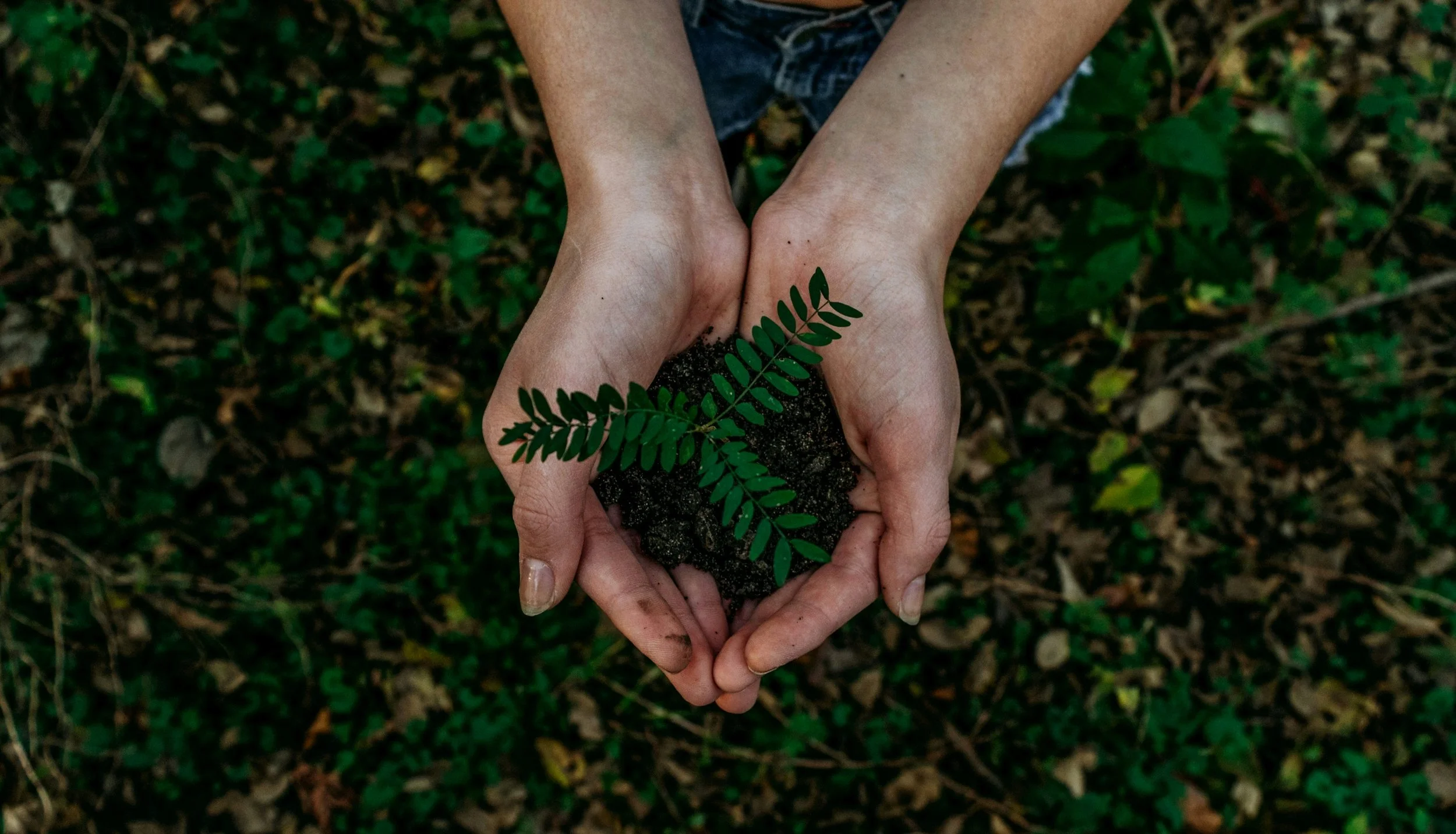
Carbon offsetting doesn’t prevent emissions from flights, it compensates for unavoidable emissions by funding environmental projects that support Carbon reduction; preventing the same amount of emissions as a flight from entering the atmosphere somewhere else on Earth.
Carbon Offsetting
Reforestation Initiatives: Planting trees in areas that have been deforested, so Carbon Dioxide can be absorbed and stored in the trees, and natural habitats can be restored.
Renewable Energy Projects: Investing in wind, solar and hydroelectric power systems to reduce the need for Fossil Fuels.
Energy Efficiency Programmes: Improve energy efficiency in developing countries, reducing overall carbon footprint and providing universal access to electricity.
Carbon Offsetting Projects
Our Impact
We work in partnership with operators that provide Carbon Offsetting on private flights we charter with them.
2024 Impact
573.18 tonnes of Carbon were offset from 92 flights
2025 Impact
862.19 tonnes of Carbon were offset from 161 flights