

Pet Friendly Charter
Everything You Need to Know About Pet Transport
At Aviation Needs we understand the importance of the wellbeing of your pet whilst travelling. We have put together a guide to walk you through the process of flying with your pet.
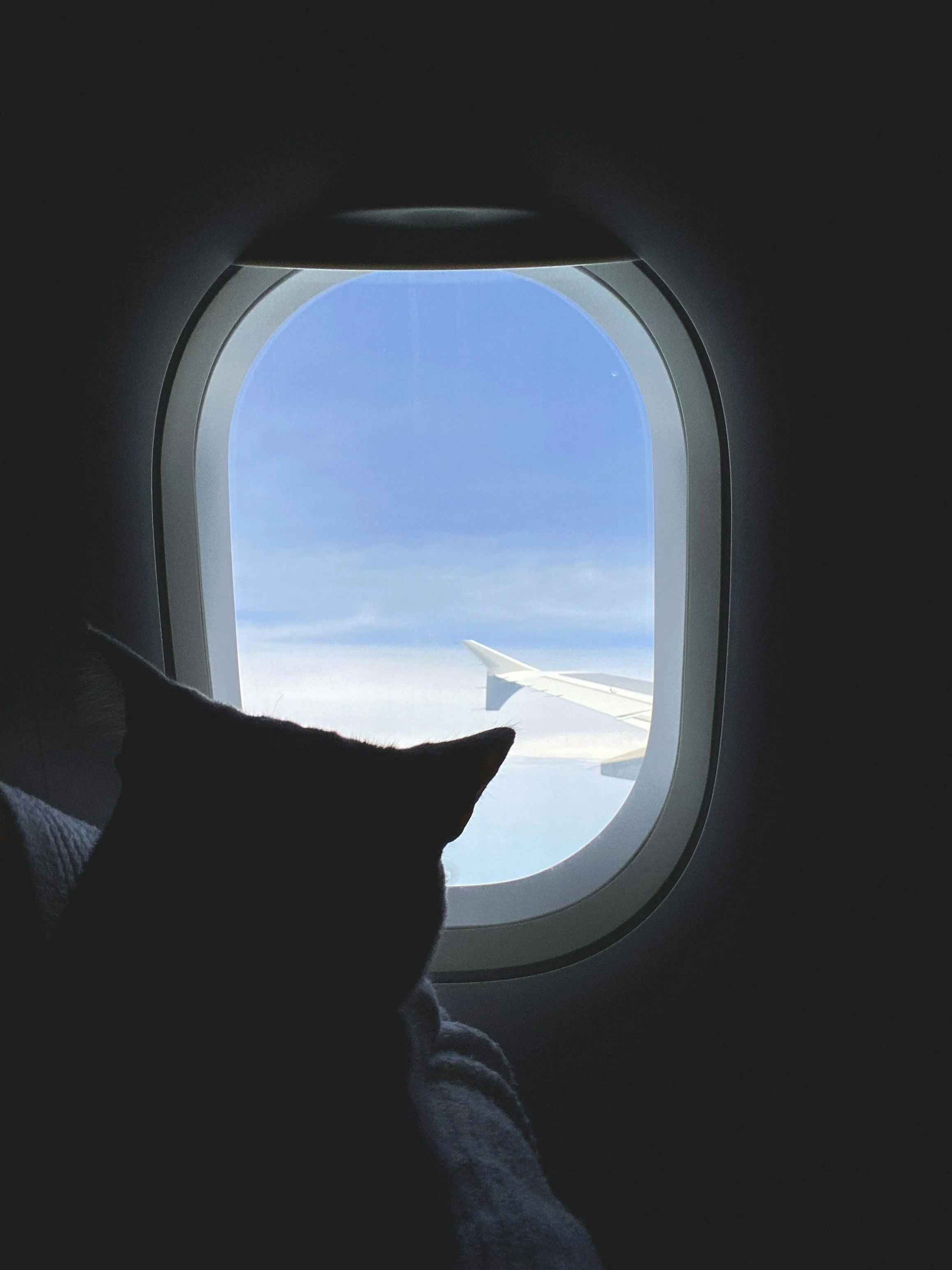
Flying commercial with pets can be a stressful and uncomfortable experience for both you and your pet. Commercial airlines often require pets to go in the cargo hold, which can be dangerous and cause distress due to the loud noise of the engines.
Chartering a private jet eliminates the stress associated with flying commercial, and offers benefits such as your pet being in the cabin with the rest of your family, avoiding the queues and loud nature of commercial airports and more flexible flight times and destinations.
General Information
The legal requirements to travel with your pets depends on where you’re flying from and to. Your pet will need:
A valid pet passport - confirms your pet’s health and vaccination records
A microchip with up-to-date owner details
Valid vaccinations dependent on the countries of arrival and departure. See below for details
Legal Requirements
In addition to having the correct paperwork before you fly, we recommend the following:
Exercising your pet before the flight - tiring them out will help them to rest and remain calm during the flight.
Avoid feeding them a big meal before to reduce motion sickness.
Keep them well hydrated.
Bring some home comforts such as their bed, a blanket and some toys to make them feel more at ease.
Preparing Your Pet for Travel

To enter Great Britain with a cat, dog or ferret they will need:
A valid Pet Passport or Animal Health Certificate with the date and number of their microchip
Rabies vaccination three weeks before arriving
Tapeworm Treatment (dogs only) no less than 24 hours or no more than 5 days before entering
Original documents - no photocopies
Bringing a cat from Australia to Great Britain: you must have a certificate from the Australian Department of Agriculture, confirming that your cat hasn’t been exposed to the Hendra Virus in the last 60 days before departure.
Entering Great Britain

Restricted Dog Breeds
The following breeds are banned and can only enter the UK if it already has a valid Certificate of Exemption.
Dogo Argentino
Pit Bull Terrier
Japanese Tosa
Fila Brasileiro
XL Bully

General rules for flying from an EU country to another EU country are that pets must be 12 weeks old, no quarantine is required and more than five pets are allowed only for competitions.
Any pets travelling within the EU must have a pet passport. This includes:
Description of pet
Microchipping details
Rabies vaccination records
Details of a verified vet
Contact details for the owner
Flying Within the EU
Rabies Vaccination
The only required vaccine for pets travelling to the EU is the Rabies vaccine. The first Rabies shot must be administered at least 21 days before entering the EU. If your pet has already had the vaccine and is getting a booster, they can enter on the same day as the booster shot.
Microchipping
Your pet must be fitted with a microchip before travelling to the EU. This should be done by a professional following ISO standards and allows for identification of the pet and owner when the chip is scanned.
Flying to the EU from Great Britain
General rules for flying from GB to the EU are that the pet must be at least 12 weeks old, no quarantine is required and more than five pets are only allowed for competitions.
Previously issued pet passports are no longer permitted for entry to the EU. The following is required for pets to travel to the EU:
Microchipping details
Rabies Vaccination Records
Tapeworm treatment (dogs only)
Valid Animal Health Certificate
You need an Animal Health Certificate for any dogs, cats or ferrets travelling from GB to the EU. Up to 5 pets can be added to one Animal Health Certificate, and must be signed by an official veterinarian.
The certificate is valid for entry into the EU within 10 days after the issue date, 4 months for onward travel in the EU after you enter the EU, and 4 months for re-entry to Great Britain.
Animal Health Certificate

Flying to the US from GB and the EU
Your pet must be older than 6 months, and have been in GB or the EU for the last 6 months before departure, as they are low-rabies risk countries. The following is also required:
Microchip
Rabies Vaccination - although the CDC says this isn’t always required, most states do require a valid rabies vaccination more than 30 days but less than a year before arrival
Fit to Fly Certificate issued by an official veterinarian
Valid CDC Import Form - must be completed before arriving and can be submitted up to six months before arrival date
You must get a GB Health Certificate from an official veterinarian in the US, which requires your pet to have a valid rabies vaccination and tapeworm treatment administered between 24 and 120 hours before arriving in GB (tape for dogs only).
Returning to GB
You must get an EU Animal Health Certificate from an official veterinarian in the US, which requires your pet to have a valid rabies vaccination and tapeworm treatment administered between 24 and 120 hours before arriving in GB (tape for dogs only).
Once back in the EU, you can use the Animal Health Certificate to get an EU Pet Passport.